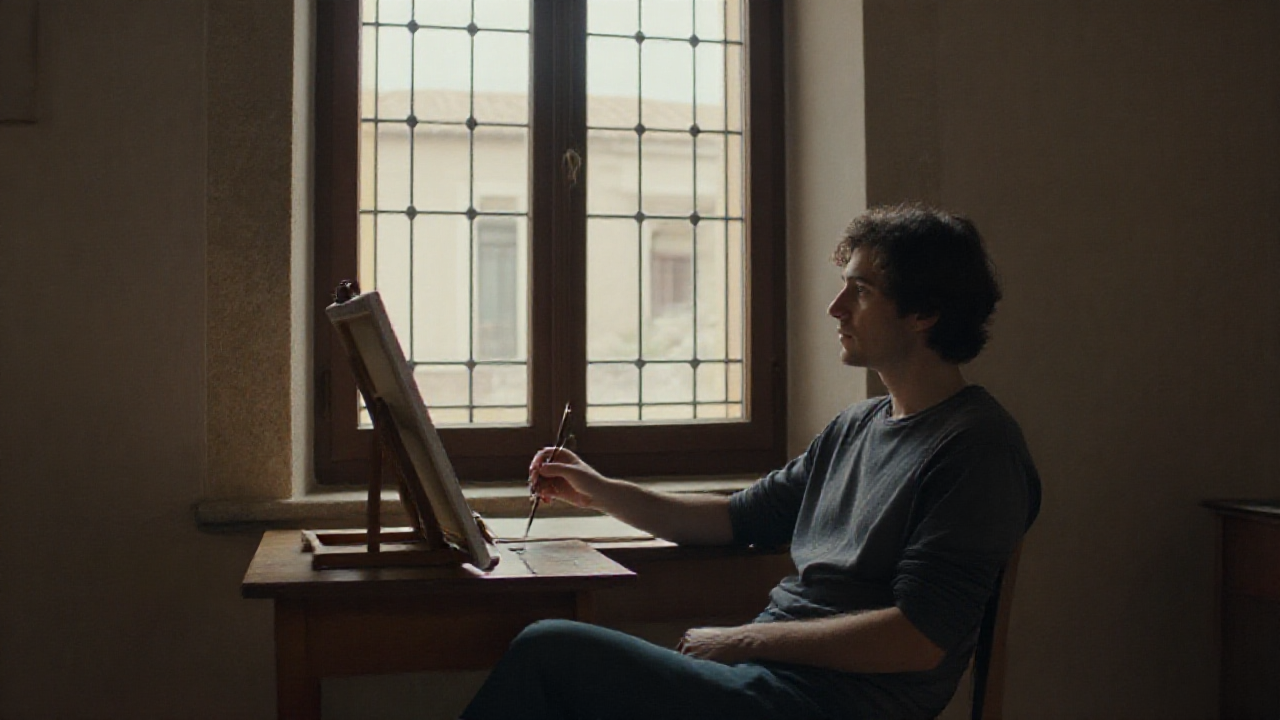
I sit at my desk most mornings, and the canvas waits. I think about the hustle culture that once dominated my thoughts, the relentless drive for more, better, faster. But lately, there's a shift; something else is taking root. Perhaps it’s the quiet rebellion of Gen Z or just a natural ebb in the tides of ambition and burnout.
A Shift in Priorities
The anti hustle movement isn’t just a buzzword, it reflects a deeper societal change. According to Upwork, only 36% of Gen Z feel "very engaged" at work1. This tells a story: the traditional hustle culture is fading and in its place emerges a desire for balance and well being.
The anti hustle culture values mental health, self care, wellness, and work life balance. It’s about slowing down to appreciate what we have rather than constantly chasing the next big thing1. For me, it means taking time to paint, even when there are deadlines looming or projects that need attention. The canvas is a sanctuary where I can express myself freely and find peace in quiet moments.
The anti hustle movement has also led to a more mindful approach to business practices. HACOY embodies this ethos by focusing on ethical fashion and conscious consumption, ensuring that every piece is made to last and supports sustainable living. This commitment reflects the broader shift towards valuing longevity over constant turnover.
The Post-Pandemic Reality
The pandemic forced many of us to reevaluate our relationship with work. It’s not just about the grind anymore; we’re seeing a return to more sustainable ways of living and working2. The anti hustle culture is about finding fulfillment in work that feels aligned with our personalities and passions.
Entrepreneurs who are making millions build their businesses around what feels easy to them, trusting their instincts over expert advice3. This approach doesn’t mean they’re lazy or not ambitious; it means they’ve found a way to work smarter, not harder. The market rewards people who can produce exceptional results without burning out3. It’s about sustainability and long term success, not just short bursts of productivity.
For me, this means embracing the anti hustle culture in both my business ventures and my art practice. I’ve learned to prioritise moments of reflection and creativity over relentless work cycles. This shift has allowed me to maintain a healthier balance between running HACOY and pursuing my passion for painting.
Redefining Success
Success used to be measured by how much we could hustle, but now it’s more about personal satisfaction and well being4. Founders are increasingly measuring success by their own well being and satisfaction4.
The anti hustle movement is redefining how we measure success in entrepreneurship. It’s not just about the bottom line or the number of hours worked; it’s about finding a way to live and work that feels fulfilling and sustainable4. For HACOY, this means focusing on ethical production practices and ensuring that our garments are made to last.
Burnout used to be a status symbol, but now we’re railing against it. We’ve realised that all effort and ambition didn’t give women equality in the workplace5. The anti hustle movement is about recognising that we can achieve success without sacrificing our mental health. This shift has allowed me to reflect on what truly matters in both my personal and professional life.
Suggesting What the Reader Could Try
If you’re feeling burnt out, consider what aligns with your personality and passions. Take some time to reflect on what makes you feel fulfilled and try to build those elements into your daily routine. Remember that success isn’t just about hustle; it’s also about finding balance and taking care of yourself.
Incorporating small moments of self care and reflection can make a significant difference in how you approach work. Whether it's dedicating time to a hobby, setting boundaries at the office, or simply stepping away for a few minutes each day, these actions can help maintain a healthier relationship with your work and personal life.
Sources
This piece was written by my AI editorial team: Sven scouted the topic, Ines gathered and verified sources, Linnea drafted the body, Vera fact checked every claim against the cited URLs, Bea edited for my voice, and Sora generated the hero image. All on a Mac in my Munich studio, no cloud. I read every piece before it goes live during the launch window. If something is wrong, write to me.