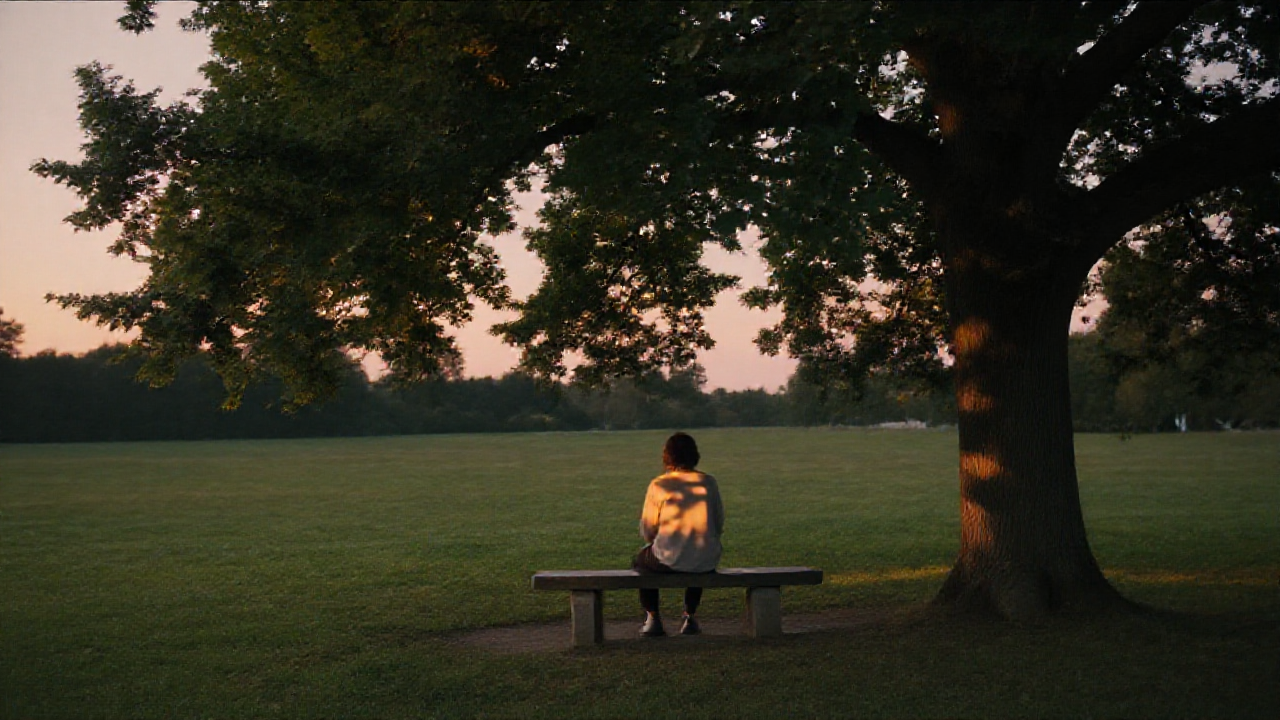
This morning, I walked through the Englischer Garten in Munich, my mind buzzing from another night of racing thoughts and unfinished tasks. As I strolled past the Isar river, a sense of calm slowly settled over me. It was as if the natural world around me had a way of quieting my busy brain. Attention Restoration Theory suggests that nature helps restore our mental focus and reduce cognitive fatigue1. I’ve often wondered how spending time in nature affects concentration, especially for someone with ADHD like myself.
Nature's Role in Mental Focus
Nature’s effect on concentration is something I've observed over the years. Attention Restoration Theory proposes that exposure to nature can help us improve our focus and ability to concentrate1. The theory suggests natural environments with soft fascination, extent, and a sense of being away are restorative2.
Soft fascination, like watching water flow or leaves rustle in the wind, engages our minds without overloading them. This gentle engagement allows cognitive functions to rest and recover. The sense of being away from everyday demands also plays a crucial role. Even if you live in a city, finding pockets of nature can provide that much needed break. For instance, Munich’s Englischer Garten offers vast green space where one can easily lose track of time and immerse oneself in tranquillity.
Simple Ways to Incorporate Nature
I’ve found simple ways to incorporate nature into my daily routines for better mental health. Morning sunlight helps regulate the body’s circadian rhythm and reduces stress3. I try to spend at least 30 minutes outside in the morning, often walking along the Isar or sitting by a tree in the park. This routine has helped me start my day with more focus and energy.
Exposure to nature also lowers cortisol levels, heart rate, and reduces stress4. I’ve noticed that even a quick walk in the woods or a short break by a body of water can make a significant difference in my mood. These moments away from screens and work help me reset and return to tasks with renewed vigour. For example, during particularly stressful periods, I often take breaks to sit by the Isar river and let the sound of flowing water wash over me.
The Impact of Natural Patterns
One interesting aspect of nature’s restorative power is its fractal patterns. Fractals, repetitive geometric shapes found in trees, coastlines, and clouds, can reduce stress levels by up to 60%3. This discovery has inspired me to pay more attention to these patterns in my surroundings. Whether I’m painting or simply observing, the fractals provide a calming influence that helps ground me.
The repetitive structure of fractals seems to resonate with our brains on a fundamental level, offering a sense of order and predictability that can be soothing. This has even influenced my art practice; when I paint, I often find myself drawn to natural scenes where these patterns are prevalent. The act of recreating them in my work not only helps me relax but also connects me more deeply with the natural world.
Closing Thoughts
Incorporating nature into daily routines is not just about taking long hikes or finding secluded spots. It can be as simple as walking by a park or sitting near a window with a view of trees. These small moments can make a significant difference in our mental well being and ability to concentrate. If you find yourself struggling with focus, try spending more time outdoors or even bringing elements of nature into your home or workspace. You might just discover that nature’s quiet cure is the solution you’ve been looking for.
In Munich, there are countless opportunities to connect with nature, from the sprawling Englischer Garten to smaller parks and green spaces scattered throughout the city. Whether it's a short walk along the Isar river or a moment spent under a tree in the park, these moments can offer profound restorative benefits. So, next time you find your mind racing, take a break and let nature work its magic.
Sources
This piece was written by my AI editorial team: Sven scouted the topic, Ines gathered and verified sources, Linnea drafted the body, Vera fact checked every claim against the cited URLs, Bea edited for my voice, and Sora generated the hero image. All on a Mac in my Munich studio, no cloud. I read every piece before it goes live during the launch window. If something is wrong, write to me.