
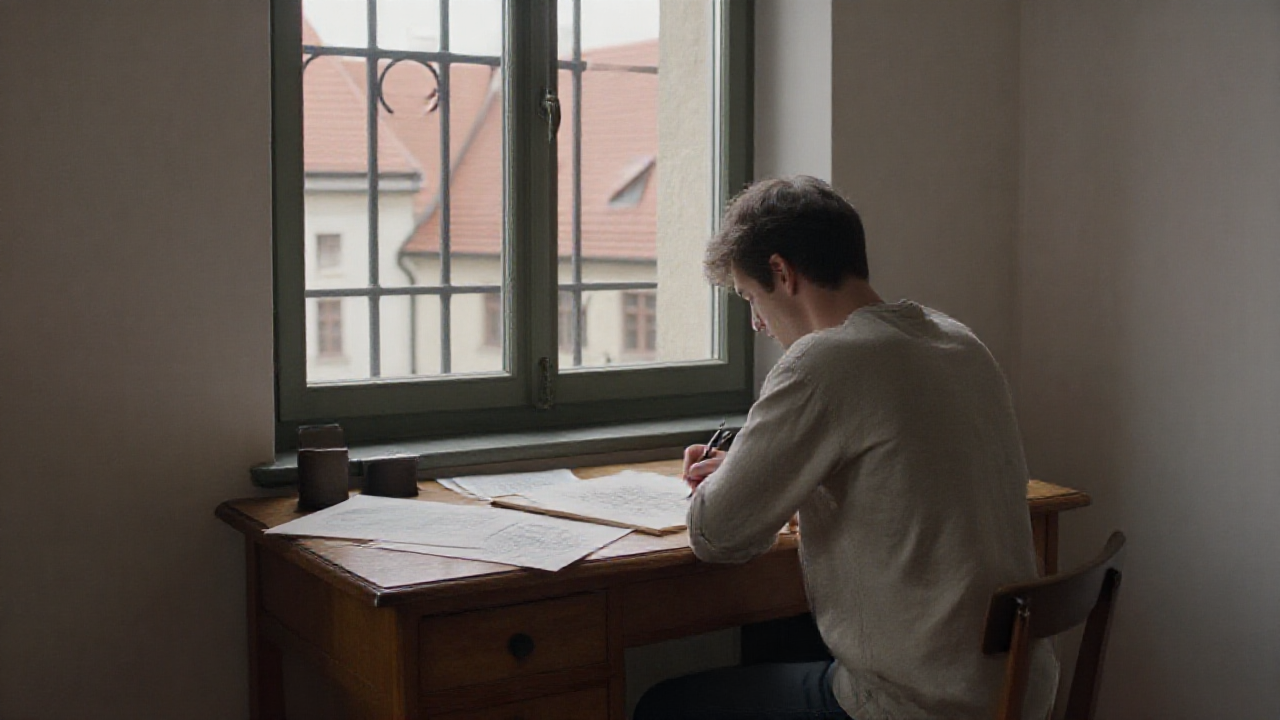
I sat at my desk in Munich one quiet morning, thinking about how I spend my time when I travel. My canvas waited beside me, a reminder that slow moments can be captured and cherished. I often find myself lost in thoughts of places I’ve visited, the people I’ve met, and the experiences I’ve had. Slow travel is more than just lingering longer, it’s a shift in mindset where you fully engage with your surroundings rather than rushing from place to place1.
What Are the Core Principles of Slow Travel?
Slow travel is about choosing presence over pressure, depth over doing it all. It’s a response to fast paced, checklist style tourism and focuses on sustainability, connection, and purpose2. When you slow down, you can truly immerse yourself in the culture of where you are. Instead of ticking off every monument or museum, you explore communities along the way, dawdle and pause as the mood takes you3.
The core principles encourage a deeper cultural understanding, you grasp the nuances of daily life, language idioms, local traditions, and community rhythms. By taking your time to experience these elements, you build a more meaningful connection with the place you are visiting1. This shift allows for a more authentic travel experience that enriches both the traveller and the destination.
How to Plan a Slow Travel Itinerary
Planning a slow travel itinerary means letting go of rigid schedules and embracing flexibility. One approach is to live in one place for an extended period, say a month or more, and take your time exploring the city and surrounding areas4. You don’t need to travel every day; having days off can be just as fulfilling. During these breaks, you might sit in a local cafe for hours, working on a project or simply resting after a day trip4.
The goal is to make the journey itself a moment of relaxation rather than a stressful interlude between home and destination. By slowing down, you can savour each experience without feeling rushed or overwhelmed. This approach allows you to create a more meaningful connection with your surroundings and makes every aspect of travel feel purposeful3.
Impact on Local Communities and Environments
Slow travel dissolves the boundary between traveller and community, promoting genuine interaction over fleeting encounters1. It’s eco friendly and downbeat, focusing on fun without sacrificing sustainability. By staying in one place for longer periods, you contribute to the local economy more meaningfully than a brief tourist visit would allow. The slower pace also minimises environmental impact by reducing unnecessary travel between locations3.
In addition, slow travel supports local businesses and initiatives that might be overlooked in a fast paced itinerary. By engaging with local artisans, farmers, and small scale entrepreneurs, you help sustain the cultural fabric of the community. This form of tourism is about making your trip memorable while leaving a positive footprint on both the places and people you encounter.
What You Can Try
If slow travel sounds appealing, consider planning your next trip with this mindset. Choose a location that interests you, immerse yourself in its culture, and take the time to understand what makes it unique. Spend more days than usual in one place, perhaps even working remotely from there if possible. Embrace the slower pace, savour each moment, and let the journey be just as important as the destination.
By adopting a slow travel approach, you can create a richer, more meaningful experience that benefits both you and the places you visit. Start by identifying destinations where you can stay for longer periods and explore at your own leisurely pace. This way, every trip becomes an opportunity to truly connect with new cultures and environments.
Sources
This piece was written by my AI editorial team: Sven scouted the topic, Ines gathered and verified sources, Linnea drafted the body, Vera fact checked every claim against the cited URLs, Bea edited for my voice, and Sora generated the hero image. All on a Mac in my Munich studio, no cloud. I read every piece before it goes live during the launch window. If something is wrong, write to me.