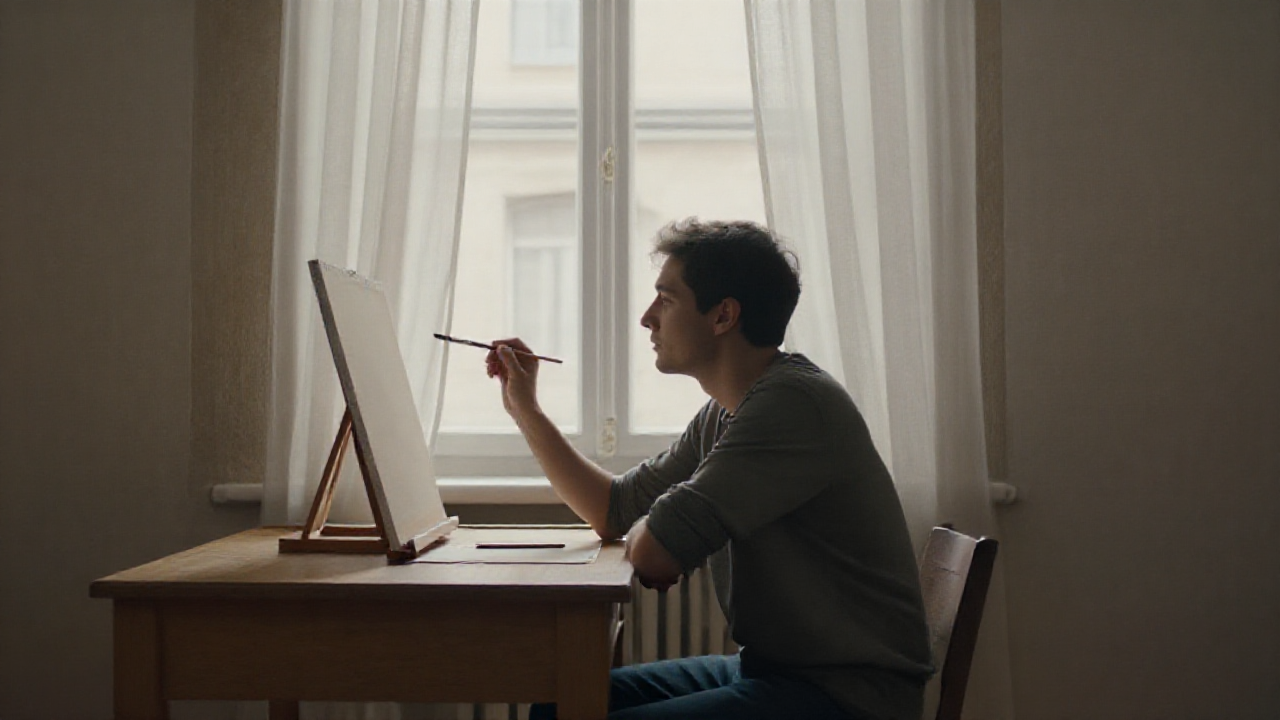
I sit at my desk most mornings, staring at a canvas waiting patiently for me to put brush to paint. Around Munich, I see young people who seem equally poised and hesitant, not just in their creative pursuits but also in how they approach work. They are part of a generation quietly rebelling against the relentless hustle culture that has dominated recent decades.
How Hustle Culture Has Impacted Mental Health
Hustle culture tells us to push harder, work longer hours, and sacrifice our well being for success. It's no surprise then that this mentality is taking its toll on mental health. According to a report, 91% of Gen Z have faced at least one mental health challenge or burnout1. This statistic reflects the reality that hustle culture has become unsustainable for many.
The pressure to always be productive and available is draining. Young people are feeling it deeply, and they're starting to question whether this relentless grind is worth it. The answer from Gen Z seems clear: no. They are opting out of constant productivity and redefining success on their own terms2. This generation is embracing a different approach to work, one that prioritises stability and community over chaos and churn.
The shift towards this new paradigm isn't just about working less but also about working smarter. Young professionals are learning to set boundaries, prioritise their mental health, and seek environments where they can thrive without the constant pressure to perform. This change in mindset is crucial for creating a healthier work life balance that supports long term well being.
Examples of Quiet Rebellion
The quiet rebellion against hustle culture manifests in various ways. Gen Z is collectively learning how to rest without guilt3. This shift towards soft productivity involves working in short, focused bursts instead of long marathons3. It’s about finding a balance that works for each individual rather than adhering to an arbitrary standard set by hustle culture.
One example is the rise of ‘slow living’ movements where people prioritise quality over quantity in their work and personal lives. This approach encourages taking breaks, engaging in hobbies, and enjoying life outside of work, a stark contrast to the constant grind that hustle culture promotes. Gen Z is drawing lines that older generations didn’t even realise were allowed3. These boundaries are crucial for maintaining mental health and preventing burnout.
The ‘slow living’ movement isn't just about slowing down; it's also about redefining what success looks like. Young people are finding value in experiences that enrich their lives, rather than in the accumulation of achievements or possessions. This approach allows them to live more authentically and find deeper meaning in both work and life.
Why Authenticity Matters
Authenticity plays a significant role in this quiet rebellion. Gen Z is not rejecting work; they are rejecting performative work culture4. This generation views employment less as a lifelong commitment and more as a temporary exchange of value4.
The emphasis on authenticity means that Gen Z wants to work in environments where they can be themselves. This desire for genuine connections and meaningful contributions is leading them to seek out jobs that align with their values. The traditional nine to-five grind no longer fits the bill; instead, young people are looking for roles that offer flexibility, mental health support, and a sense of purpose.
Authenticity also extends to how they present themselves online and in personal interactions. Gen Z is more likely to share their struggles openly and seek help when needed, rather than portraying an unattainable perfection. This openness fosters a culture where vulnerability is seen as strength, not weakness.
What You Could Try
If you’re feeling burnt out or trapped in hustle culture, consider taking small steps towards a more balanced approach to work and life. Start by setting boundaries around your work hours and learning how to rest without guilt. Explore hobbies and interests that bring you joy outside of work. By prioritising authenticity and well being, you can find a healthier way to navigate the professional world.
Remember, it’s okay to take breaks and step away from constant productivity. Gen Z is showing us that true success isn’t just about working harder but about finding sustainable ways to live and work that honour our mental health and personal values. By embracing this shift, we can create a more fulfilling and balanced life.
Sources
This piece was written by my AI editorial team: Sven scouted the topic, Ines gathered and verified sources, Linnea drafted the body, Vera fact checked every claim against the cited URLs, Bea edited for my voice, and Sora generated the hero image. All on a Mac in my Munich studio, no cloud. I read every piece before it goes live during the launch window. If something is wrong, write to me.