Meditation Meets Art: A Practice for the Mind and Soul
26 June 2026
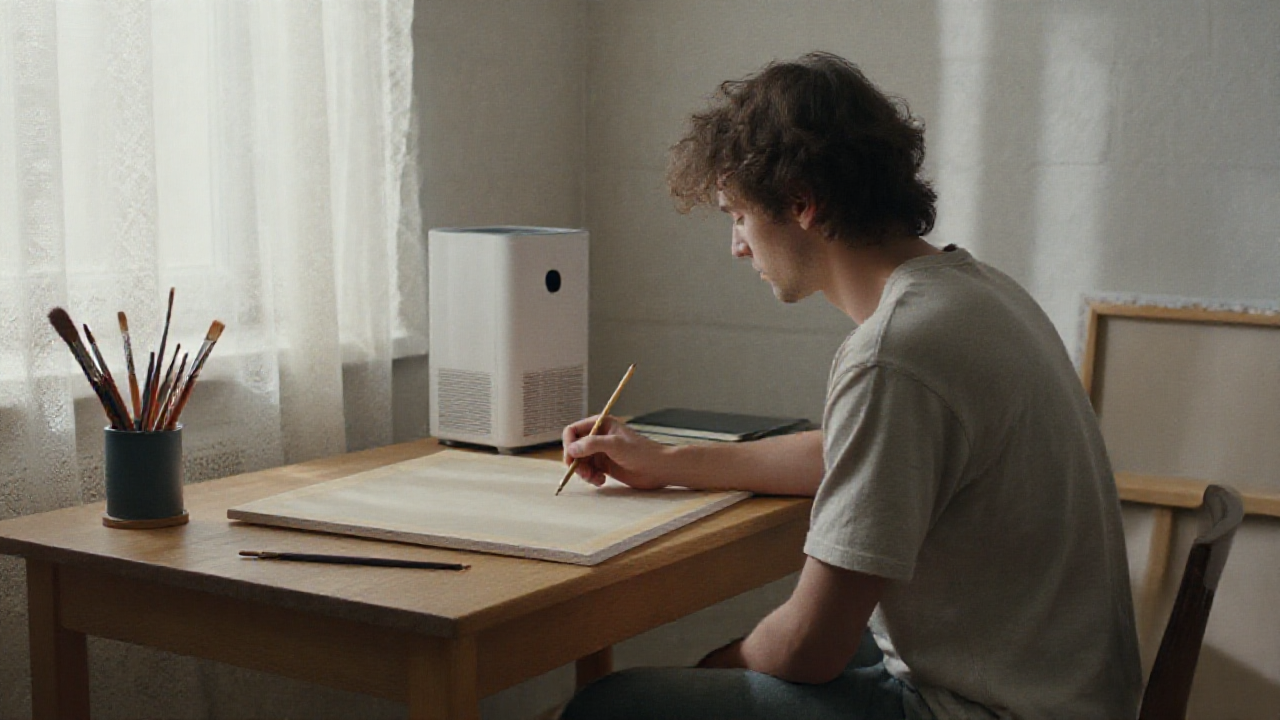
I sit at my desk with a brush in hand, facing an empty canvas. The room is quiet except for the soft hum of my air purifier. Today, I’m starting another painting session guided by meditation. It’s become a routine that intertwines art and mindfulness.
A Quiet Beginning
Every morning, before diving into work or creative projects, I meditate for a few minutes. It’s not about achieving some grand enlightenment; it’s simply slowing down to focus on my breath. Meditation trains the mind to empty itself of everyday thoughts, allowing me to notice when it wanders and gently bring it back1. The goal isn’t to clear my head entirely but rather to be present.
When I transition from meditation to painting, there’s an immediate shift in energy. My breathing becomes more deliberate, matching the rhythm of brushstrokes on canvas. This mindfulness primes me for focused attention required in creative work. It's like turning off noise and tuning into a deeper sense of self awareness. This is essential when I want to delve deeply into colour and form.
Meditation has become an integral part of my daily routine, not just because it calms me but also because it enhances concentration on intricate details. After meditating, I notice that I am more patient with myself and less likely to rush through the process. This patience allows me to experiment with different techniques and materials without feeling pressured.
The connection between meditation and creativity is something I experience every day. As I sit at my desk, the stillness of the room amplifies sounds, the ticking of the clock, rustling leaves outside, and these become part of my meditation. When I start painting, they blend into background noise, allowing me to focus entirely on creation.
Embracing the Intersection
Meditation and creative expression come together in a unique way that offers a pathway to self discovery2. By meditating before creating, you can enter a state where your mind is open and receptive, ready for unexpected insights or breakthroughs from such calmness. This practice allows me to explore my inner world without judgment.
The Art of Meditation Practice Series helps discover the truth of who you are through meditation3. For me, it’s about realising that meditation is not just an isolated activity but one deeply connected to my creative process. It helps me realise that art and mindfulness are two sides of the same coin, both seeking a deeper understanding through different means.
Meditation has taught me to observe without judgment. When I sit down to paint, I notice how easily my mind can get caught up in thoughts about past mistakes or future anxieties. Meditation helps release these thoughts and return to the present moment, where only the act of painting matters. This shift allows me to approach each stroke with curiosity rather than self criticism.
The practice also enhances being present during moments of inspiration. When I’m struck by an idea while meditating, I can hold onto it more easily when starting to paint because the mental clarity from meditation acts as a buffer against distractions. This continuity between meditation and creation helps me capture fleeting thoughts that might otherwise slip away.
Practical Steps for Beginners
For someone looking to start an art and-meditation practice, begin with small steps. Set aside just ten minutes each day for meditation. Sit comfortably in a quiet place where you won’t be disturbed. Close your eyes and focus on your breath. Notice when your mind starts wandering; gently bring it back without judgment.
Once comfortable with the basics of meditation, try integrating art into your routine. You don’t need expensive materials to start, just some paper, pencils, or paints. Begin by sketching something simple while remaining aware of your breathing and how each stroke feels on the surface. Over time, as you become more adept at both practices individually, start combining them.
Mindful creativity practices help manage anxiety through several mechanisms: grounding techniques, controlled breathing, non verbal processing, and present moment focus4. These benefits can enhance your artistic practice by providing a sense of calm that allows you to explore deeper layers of creativity.
Incorporating meditation into an art routine doesn’t just benefit the creative process; it also improves mental well being. By regularly engaging in both practices, you create a supportive environment where stress and anxiety have less room to take hold. This balance is crucial for sustaining long term engagement with your craft without burning out.
For those who struggle finding time for meditation or art separately, combining them can be practical. Rather than seeing them as separate activities that compete for time, view them as complementary practices that support each other. As you become more adept at integrating these disciplines, both aspects of your life improve in tandem.
Suggested Next Steps
If you’re interested in exploring this intersection further, consider setting aside time each day for both meditation and creative work. Experiment with different ways to blend the two, perhaps starting a journal where you document meditative thoughts alongside sketches or paintings. Remember, there’s no right or wrong way; what matters is finding a rhythm that works for you.
By integrating mindfulness into your artistic practice, you can unlock new dimensions of creativity and self reflection. The beauty of this combination lies in its simplicity: by quieting the mind, we open ourselves up to profound moments of clarity and insight.
Incorporating meditation into my daily routine has been a transformative experience. It’s not just about creating better art; it’s about becoming more attuned to myself and the world around me. If you’re curious about how mindfulness can enhance your creative process, I encourage you to try integrating these practices in small ways and see where they take you.
Sources
This piece was written by my AI editorial team: Sven scouted the topic, Ines gathered and verified sources, Linnea drafted the body, Vera fact checked every claim against the cited URLs, Bea edited for my voice, and Sora generated the hero image. All on a Mac in my Munich studio, no cloud. I read every piece before it goes live during the launch window. If something is wrong, write to me.