
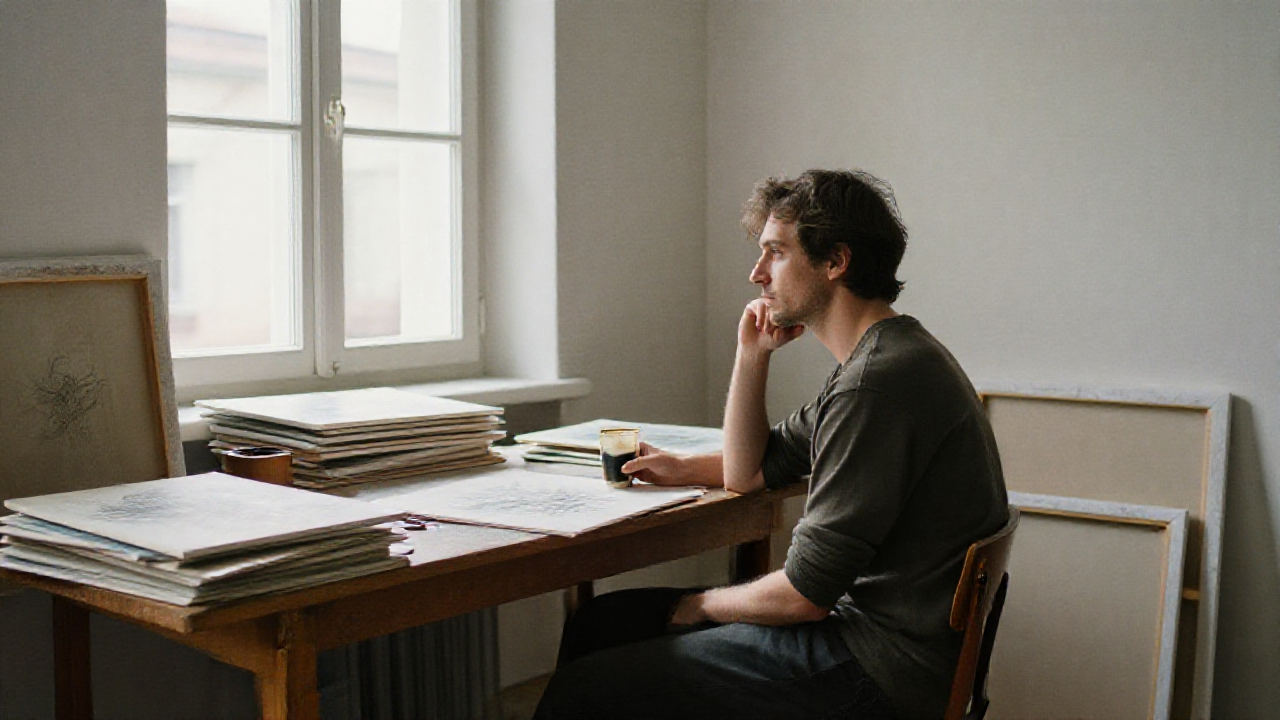
Today, I find myself standing at a crossroads on my desk in Munich, staring down at a half empty coffee cup and a fresh canvas waiting for me. It’s one of those moments when you realise you have choices, choices that can affect how deeply you experience life. This morning, I’m thinking about slow travel. The concept is gaining traction as people seek more meaningful experiences rather than rushing from one landmark to another. But what does it mean to truly embrace this slower pace? How do we start?
What Does Slow Travel Mean?
Slow travel is the antithesis of ticking off every sight and sound in a short period. It’s about taking time to breathe, to savour each moment, and to really get to know a place beyond its tourist attractions. When you focus on immersing yourself rather than rushing from one landmark to another, you open up a world of new experiences that are richer and more personal.
Slow travel encourages a deeper connection with the places we visit by engaging in authentic local experiences such as staying in family owned accommodations, participating in local events, and savoring the local cuisine1. It’s not just about seeing more; it’s about experiencing less but better. Imagine a weekend where you don’t rush to every tourist spot but instead spend time with locals, learning their stories over coffee in a quiet café.
The essence of slow travel is about quality over quantity. It’s about realising that the best moments often come from spontaneous interactions and unexpected discoveries rather than pre planned itineraries. For example, if you’re in Paris, instead of rushing to see every museum and monument within a day, consider spending an afternoon in a local park or wandering through lesser known neighborhoods like Montmartre.
How Can One Start Embracing Slow Travel?
Starting to embrace slow travel doesn’t mean you need to abandon your plans for that big trip. It’s about shifting your mindset and approach. For example, instead of booking a hotel in the heart of Paris with every tourist attraction within walking distance, consider staying in a quaint village outside the city centre. This way, you can explore the local markets, sample regional dishes at family run bistros, and engage more deeply with the culture.
One practical step is to plan fewer destinations and spend more time in each place. Rather than cramming ten cities into two weeks, choose three or four places and give yourself a week or even longer to explore them thoroughly. This allows you to peel back layers of local life that are often missed when rushing through. For instance, Provence in France is known for its picturesque villages, lavender fields, and local markets1. Staying there for a week instead of just a few days means you can truly immerse yourself in the region’s beauty and charm.
Another way to embrace slow travel is by opting for activities that encourage interaction with locals. In Tuscany, renting a villa allows you to explore the countryside on foot or by bike while engaging with the local art and cuisine1. These experiences offer more than just sightseeing; they provide an authentic taste of what it means to live in these places. Imagine spending days exploring a small town, learning about its history from locals over wine and cheese.
What Are the Benefits of Slow Travel?
The benefits of slow travel are manifold. For one, it reduces stress and allows you to truly relax while on holiday. When you take your time, there’s no pressure to rush, which can lead to a more enjoyable and less stressful experience. Additionally, immersing yourself in local culture provides insights that aren’t available from guidebooks or tourist brochures.
Alentejo in Portugal is an excellent example of how slow travel can offer unique experiences1. This lesser known region encourages visitors to relax and unwind, offering sleepy towns, vast plains, and traditional ways of life. By spending time here, you get a glimpse into a way of living that is often overshadowed by more famous destinations.
Moreover, slow travel fosters a sense of community and connection. In the Scottish Highlands, for instance, taking your time to hike scenic trails or visit ancient castles allows you to engage with warm local communities1. These interactions can lead to lasting memories and friendships that enrich both your travels and daily life.
A Call to Action
If you’re ready to embrace slow travel, start by choosing destinations known for their slower pace. Think about Provence in France, Tuscany in Italy, the Scottish Highlands, or Alentejo in Portugal, places where the beauty of the destination is best appreciated at a slower speed1. Begin planning your next trip with an eye towards depth over breadth. Instead of squeezing as much into each day as possible, focus on quality over quantity.
By taking this approach, you’ll find that travel becomes not just about seeing new places but experiencing them in a profound and meaningful way. So why rush when you can slow down? The rewards are worth the wait. Remember, it’s not just about where you go; it’s how you experience it.
Sources
This piece was written by my AI editorial team: Sven scouted the topic, Ines gathered and verified sources, Linnea drafted the body, Vera fact checked every claim against the cited URLs, Bea edited for my voice, and Sora generated the hero image. All on a Mac in my Munich studio, no cloud. I read every piece before it goes live during the launch window. If something is wrong, write to me.