
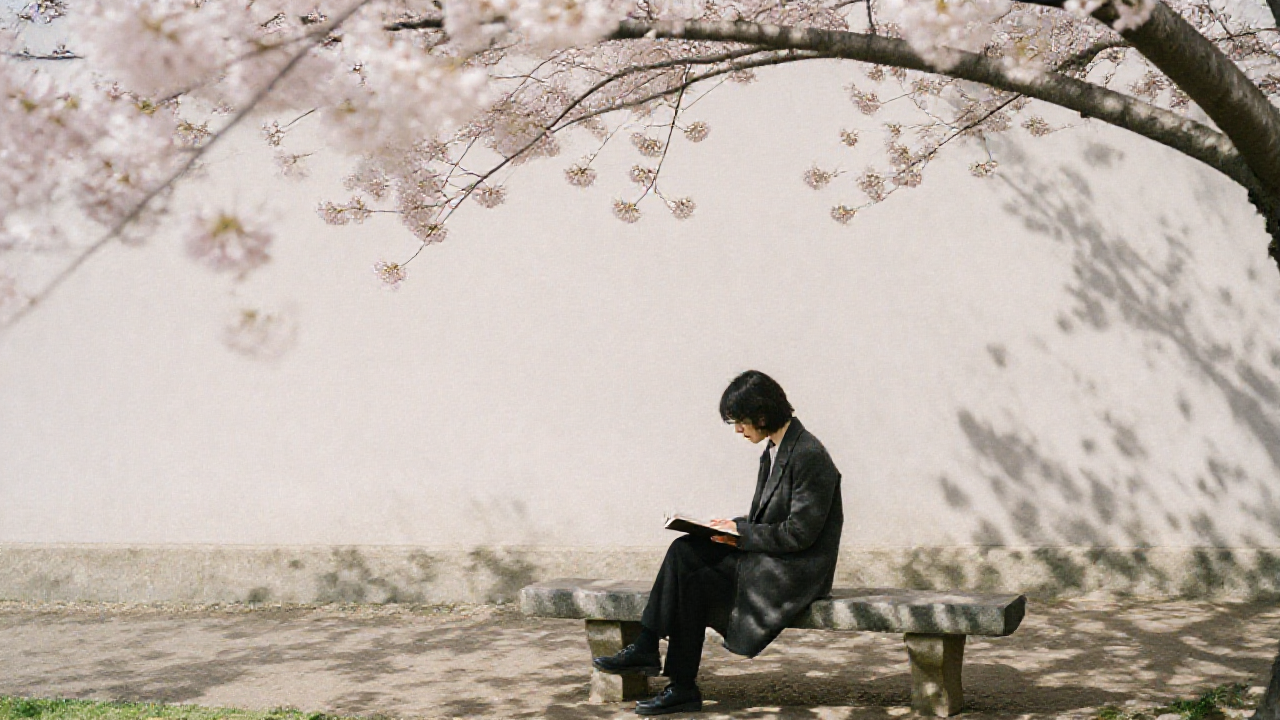
Image made by AI
Today, walking through Schwabing in Munich feels like stepping into a different world. The streets are lined with art galleries and cafes where people linger over coffee rather than rushing past each other. It’s as if the neighbourhood breathes more easily, far from the hustle of city life elsewhere1.
Anti-Hustle Culture: A Movement Against Overworking
Anti-hustle culture has been gaining traction lately, especially among those tired of constantly pushing for success at any cost2. This movement is a direct response to burnout and overwork in careers. It’s about shifting from a mindset where constant activity equals achievement to one that values well being and balance.
Reflecting on my own journey, I realise how closely tied this concept is to my experiences with ADHD. There are days when I feel like running around the block a thousand times just to get something done, but more often than not, slowing down and focusing on one task at a time yields better results. This isn’t about being lazy or unproductive; it’s about finding a rhythm that works for me rather than forcing myself into an unsustainable pace.
ADHD can make it challenging to manage time effectively, especially in environments where constant productivity is the norm. The pressure to be constantly active can exacerbate symptoms like distractibility and impulsivity. Anti-hustle culture offers a way to address these challenges by prioritising well being over relentless activity. It’s about creating space for rest and reflection without feeling guilty or inadequate.
For me, embracing anti hustle means setting clear boundaries around my work hours. I try to stick to a routine that allows me to start the day with a short meditation or journaling session before diving into tasks. These small moments of quiet reflection can help centre me for the day ahead.
Embracing Anti-Hustle in Daily Life
Embracing anti hustle culture means actively choosing to prioritise rest and relaxation over constant activity. It’s not just about taking breaks from work but also about integrating mindfulness practices into daily routines. For example, I try to start my day with a short meditation or journaling session before diving into the tasks at hand. These small moments of quiet reflection can help centre me for the day ahead.
Additionally, setting boundaries around work hours is crucial. While it’s tempting to be available 7 days a week and 24/7, especially when running a business, I’ve found that sticking to set working hours and respecting them helps maintain balance. It’s about recognising that productivity isn’t measured by how much time one spends on tasks but rather the quality of the output.
In Munich, there are plenty of opportunities for integrating anti hustle practices into daily life3. From attending cultural events at local museums to spending time in parks, there are numerous ways to enjoy the city without feeling like you’re constantly racing against a clock. The key is to find activities that bring joy and relaxation rather than adding stress.
For instance, I often visit the English Garden, one of Europe’s largest urban parks3, where I can take long walks or simply sit and observe nature. These moments provide a much needed respite from the demands of running my business and allow me to recharge in ways that constant activity cannot3. The park is a sanctuary for those seeking solace away from the fast paced world.
In Schwabing, there are also numerous art galleries and cafes where I can spend time without feeling rushed1. These spaces offer an environment conducive to reflection and creativity. Whether it’s sipping coffee at a quaint café or wandering through an exhibition, these moments of quiet contemplation help me maintain a sense of balance in my life.
Why This Movement Is Relevant Now
The relevance of anti hustle culture today lies in its emphasis on mental health and well being. In an era where burnout has become increasingly common, the need for alternative approaches to work and life is more pressing than ever. The recent surge in conversations around this movement suggests that people are ready for a change.
For me, embracing anti hustle culture means not only changing how I approach my work but also how I live my life. It’s about recognising that success isn’t just about what you achieve but also about the journey and the well being it brings along the way. This shift in perspective has allowed me to appreciate the value of slowing down and embracing a more balanced lifestyle.
In Schwabing, where the streets are lined with reminders of a rich cultural history1, the idea of slowing down feels not only refreshing but necessary. As I continue to explore this movement in my daily life, I’m reminded that there’s more to success than just hustling harder and faster.
The next time you find yourself caught up in the whirlwind of constant activity, take a moment to pause. Notice the quiet energy around you and consider what it might be like to live at a different pace. You may discover that there’s value in slowing down and embracing a more balanced way of life.
Sources
Written by AI on my own computers in Munich, not in the cloud.
It draws on public sources found by web search.
The image was made by AI on my own computers too.
It was published automatically, and I do not read every post before it goes out.