
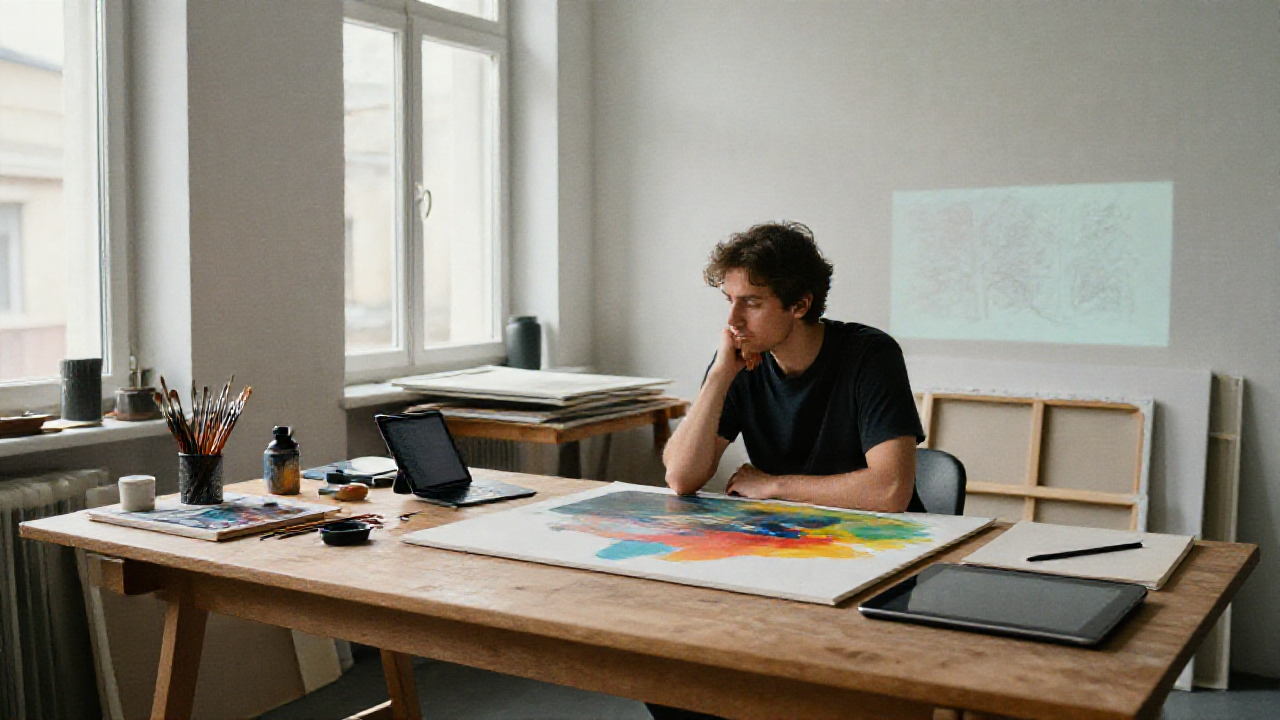
Image made by AI
I sit at my desk most mornings and the canvas waits, a silent reminder of the world beyond the walls of my studio in Munich. Today, I find myself reflecting on the evolving landscape of the art market, particularly how it's being reshaped by conscious consumerism. This shift feels like an undeniable current sweeping through every corner of our lives, subtly yet profoundly altering the way we think about and engage with art.
What Does Conscious Consumerism Mean for the Art Market?
Collectors are increasingly seeking pieces that resonate with their values and beliefs. This trend is driven not just by a desire to own beautiful art but also by a genuine interest in supporting artists whose work aligns with their personal convictions1. I remember the first time I saw an exhibition where every piece was tagged with information about the artist’s ethos and environmental impact; it made me pause, reflecting on my own choices as a buyer. It's clear that the art market is evolving, much like the broader economy, to accommodate this shift towards more mindful consumption.
In Munich, I have noticed how galleries are starting to incorporate sustainable practices into their operations. For instance, some use recycled materials for framing and display, reducing waste. Others host events that promote environmental awareness, linking art with activism. These changes reflect a broader movement towards sustainability not just in the production of art but also in its exhibition and sale.
How Do Artists Adapt to This Shift in Buyer Behaviour?
Artists are adapting by focusing on themes that reflect social, environmental, or political issues1. It's no longer enough for an artist to simply create; they must also be aware of the impact their work can have. I've noticed a growing number of artists using digital tools like Photoshop and Procreate to design and refine their concepts before traditional execution1. This not only enhances the final piece but also allows for greater flexibility and experimentation. My own practice has been evolving, with more emphasis on digital sketches before I pick up my brushes.
For example, a recent project involved creating a series of digital illustrations that explored themes of urbanization and environmental degradation. The process allowed me to experiment with different compositions and color schemes in a way that would be challenging with traditional media. Once the concept was refined digitally, I could then translate it into oil on canvas, ensuring that every stroke carried the intended message.
Why Is Mindfulness Important When Buying Art?
Mindfulness in buying art is about more than just making a purchase; it's about investing in something that speaks to your soul2. Collectors buy into an artist’s trajectory, cultural presence, and momentum. They are not just buying a piece of art but a part of the story it tells. For me, each painting is a reflection of my journey, a blend of personal experiences and creative exploration. When I create, I do so with intention, considering how this piece might resonate with someone else.
For instance, one of my recent paintings was inspired by the struggles of refugees in Europe. The process involved researching real stories and incorporating elements from various sources to create a cohesive narrative. This approach not only enriched the artwork but also made it more meaningful for those who would eventually see it. Mindfulness here means being aware of the broader context and impact of one's work.
Suggesting What You Could Try
If you're an artist or a collector, consider how your practice can align more closely with these new trends. Perhaps start by exploring themes that speak to contemporary issues and engage your community more deeply. For artists like myself, it means staying true to my values while also embracing the tools of our time. For collectors, it's about being intentional in your choices and supporting artists who share your passions.
Mindfulness isn't just a buzzword; it's a way of living that can transform both your practice and your purchases. As I continue to paint and create, I am mindful of the impact my work has on others and myself. By integrating conscious consumerism into our practices, we can contribute to a more sustainable and meaningful future for art.
Sources
Written by AI on my own computers in Munich, not in the cloud.
It draws on public sources found by web search.
The image was made by AI on my own computers too.
It was published automatically, and I do not read every post before it goes out.