
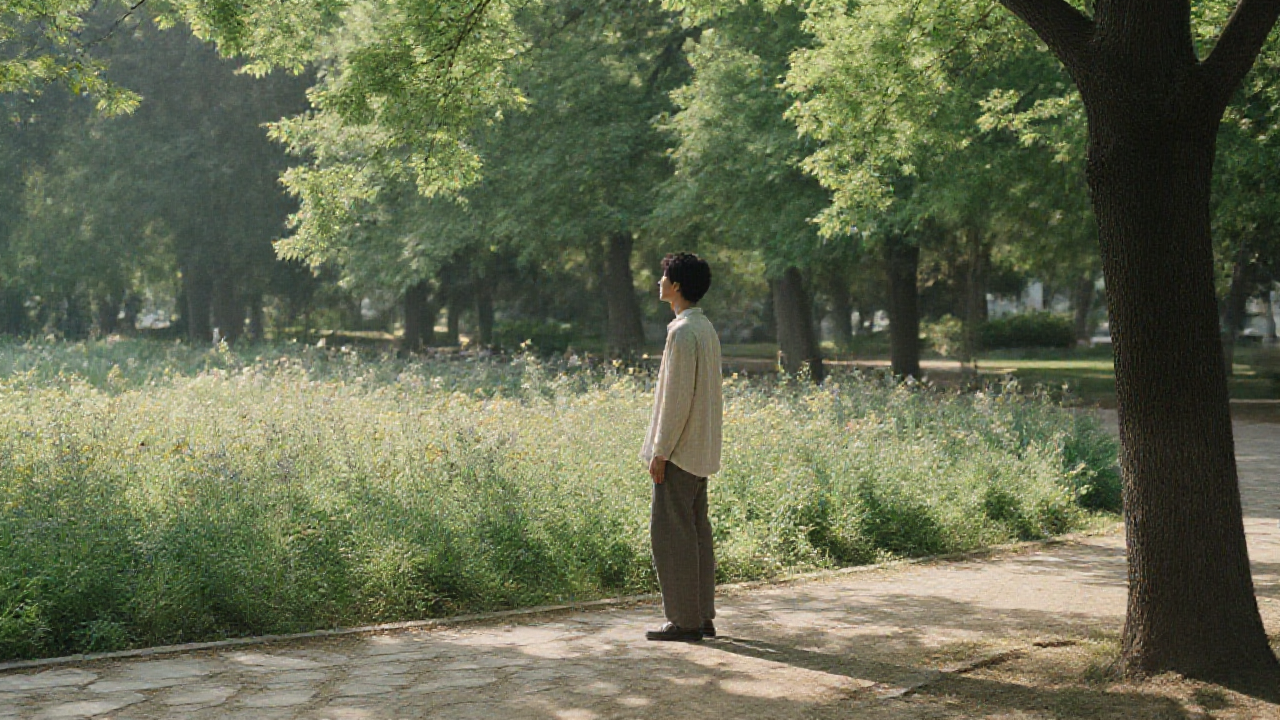
Image made by AI
Lede Paragraph
I sit at my desk most mornings and the canvas waits, but today I left it behind. The morning air was crisp, and the world outside beckoned me. I walked through the city to a nearby park, where the sun filtered through the leaves, casting dappled light on the path. As I strolled, the noise of the city faded into a gentle hum, replaced by the rustle of leaves and occasional bird song.
How Does Nature Help Restore Our Attention?
Nature has always been my sanctuary, a place to escape the relentless stream of digital notifications and emails that demand constant attention. The theory that spending time in nature can restore mental focus and reduce cognitive fatigue is something I've experienced firsthand. According to [Attention Restoration Theory]1, natural settings offer a respite from the demands of daily life, allowing our minds to recharge.
Walking through the park, I found myself drawn to the small clusters of wildflowers and the winding paths that seemed to lead me deeper into nature. The soft fascination these elements provided was almost meditative. It's like they invited my attention without demanding it; a gentle pull rather than a forceful push. This effortless engagement is what makes natural settings particularly effective at restoring our mental state.
Research from Kaplan and Kaplan suggests that nature provides a sense of 'soft fascination,' which engages the mind without demanding concentration. This soft engagement is akin to the effortless attention we pay when lost in thought or daydreaming, but it's anchored in the present moment and directed outward. It’s this quality of attention that makes nature such a powerful ally for mental health.
For instance, I often find myself walking through the park during my lunch break, not really thinking about anything specific, just letting my gaze wander over the landscape. The soft fascination of watching leaves dance in the breeze or listening to birdsong can be incredibly restorative. It’s almost as if the natural world has a way of recalibrating my brain, making me more alert and focused when I return to work.
What Are the Benefits of Spending Time in Natural Settings for Mental Health?
The benefits of spending time in nature extend beyond just mental focus. A study from 2008, conducted by the University of Michigan, found that a walk in nature improved directed attention by about 20% compared to an urban walk2. This improvement is significant because it directly translates into better concentration and mental clarity. The park isn't just a place for leisure; it's a tool for enhancing productivity.
Moreover, [Attention Restoration Theory]1 suggests that natural environments provide 'soft fascination,' which engages the mind without demanding concentration. This soft engagement is akin to the effortless attention we pay when lost in thought or daydreaming, but it's anchored in the present moment and directed outward. It’s this quality of attention that makes nature such a powerful ally for mental health.
For example, one afternoon, I took a break from painting and spent an hour walking through the park. As I strolled, I noticed how my mind naturally drifted to thoughts about art and business, but also to more abstract ideas. The soft fascination of the natural surroundings allowed me to think freely without feeling pressure or distraction. When I returned to work, I felt more centered and ready to tackle complex tasks.
Another benefit is the sense of grounding that comes from being in nature. The earthy smells and sounds can be incredibly soothing, especially after a busy day. This sense of connection to something larger than myself helps restore a balance that modern life often disrupts. It’s not just about the physical act of walking; it's also about the way these experiences shape my perspective on the world.
Can Regular Exposure to Nature Improve Focus and Productivity?
Regular exposure to natural settings can indeed improve focus and productivity over time. In my daily life, I try to spend at least an hour each day in the park or walking through the woods near my home. This routine has become a ritual that not only clears my mind but also boosts my ability to concentrate when I return to work.
One of the key benefits is the reduction in cognitive fatigue. The constant barrage of digital information can be exhausting, and stepping away from it for even brief periods can make a significant difference. A walk through nature isn't just about physical exercise; it's about mental rejuvenation. It’s almost as if the natural world has a way of recalibrating my brain, making me more alert and focused when I return to tasks.
Another benefit is the sense of grounding that comes from being in nature. The earthy smells and sounds can be incredibly soothing, especially after a busy day. This sense of connection to something larger than myself helps restore a balance that modern life often disrupts. It’s not just about the physical act of walking; it's also about the way these experiences shape my perspective on the world.
For instance, I have a routine where I start each morning with a 30-minute walk in the park before sitting down to work. This ritual helps me clear my mind and focus better throughout the day. Even if I only manage to fit in half an hour of walking, it makes a noticeable difference in how I approach tasks.
Suggesting What the Reader Could Try
If you're struggling with focus or feeling mentally fatigued, try taking a break and stepping into nature. Find a nearby park, trail, or even your garden if you have one. Spend at least 30 minutes walking around, observing the environment without any specific goal in mind. You might be surprised by how quickly this can clear your mind and improve your concentration.
Nature is more than just a beautiful backdrop; it's a powerful tool for restoration and rejuvenation. By incorporating regular exposure to natural settings into your daily routine, you can experience improvements in both mental focus and overall wellbeing. So next time you feel overwhelmed or need a mental reset, don’t hesitate, grab your coat and head outside.
Sources
Written by AI on my own computers in Munich, not in the cloud.
It draws on public sources found by web search.
The image was made by AI on my own computers too.
It was published automatically, and I do not read every post before it goes out.