
Slow Fashion: Moving Forward or Losing Momentum?
22 August 2026
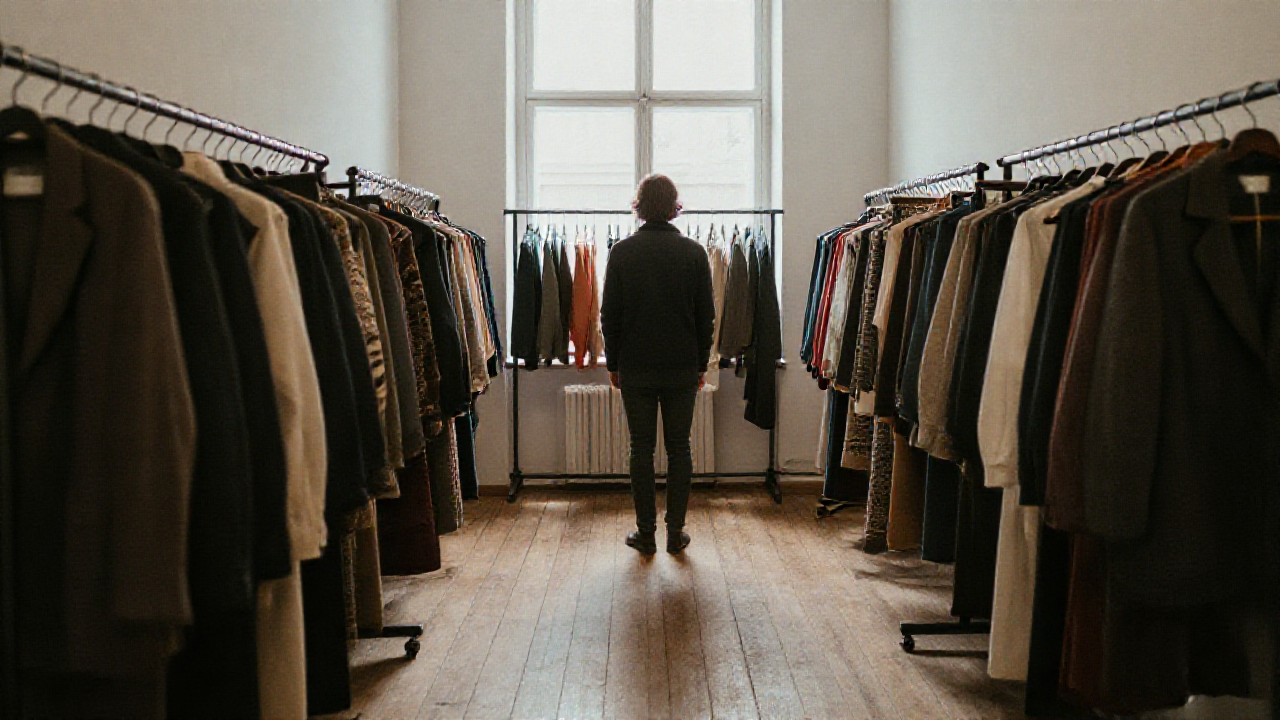
Walking through my neighbourhood in Munich, I notice how many second hand shops and vintage boutiques have popped up over the past few years. It feels like a small sign of something bigger: the slow fashion movement seems to be gaining traction. But is it just me, or are some people starting to doubt its momentum? Fast fashion still dominates headlines and consumer habits, making me wonder if ethical brands feel the pressure.
The Slow Fashion movement began as a reaction against fast fashion's rapid production cycles and low cost strategies. It’s about prioritising quality over quantity, sustainability over speed1, and ethical practices that protect both people and the planet2. But as I observe my surroundings more closely, it feels like there might be a shift happening.
Consumers are increasingly aware of the environmental and social impacts of fast fashion. They’re investing in fewer but better made items designed to last longer3. This trend is encouraging, yet it’s not without its challenges. Many people still find themselves drawn to trendy, inexpensive clothing available at a moment's notice.
Take my friend Anna for example. She recently bought several pieces from a fast fashion brand because she needed clothes for an upcoming job interview and couldn’t wait weeks for something custom made. While Anna understands the importance of sustainability, practicality sometimes takes precedence over ethics. This is where the challenge lies: balancing immediate needs with long term values.
Second-hand shopping has become more mainstream, but it still faces hurdles in terms of accessibility and convenience. Even though there are now more options for vintage clothing, not everyone knows where to find them or feels comfortable navigating these spaces. The digital age has made online marketplaces more accessible, yet the experience can be overwhelming due to sheer volume.
Brands that prioritise transparency in their supply chains are gaining an edge3. Consumers want to know where and how their clothes are made. But this level of transparency is not easy to achieve, especially when competing with fast fashion giants who can produce clothing at a fraction of the cost.
Transparency requires a lot of effort from brands like HACOY. We have to trace every step of our production process and be open about potential flaws or challenges. This is not just a matter of public relations; it’s an operational commitment that can be costly in terms of time and resources.
Changing long held habits isn’t simple, yet educating consumers about sustainable practices is crucial for the slow fashion ethos. Many individuals still find it hard to break away from the convenience of quick fashion fixes.
Supporting local designers and artisans is also important for the slow fashion ethos. Yet, these smaller brands often struggle with visibility and reaching a wider audience3. The digital age has made it easier to connect directly with consumers, but it also means navigating a crowded marketplace.
Building a community around slow fashion is essential. It’s not just about selling clothes; it’s about creating a movement that encourages people to think differently about their consumption habits. This requires more than just good marketing, it demands genuine engagement and education. Brands need to invest in content that informs, inspires, and motivates consumers to make sustainable choices.
So, what can ethical fashion brands do to adapt and thrive? One approach is to focus on building long term relationships with customers. Trust is key, and by providing value beyond just the product, such as education about sustainable practices and transparency around production processes, brands can foster loyalty.
Another strategy could be embracing technology that supports sustainability. From virtual try ons to reduce returns, there are innovative solutions out there that align with the slow fashion mission. These technologies not only enhance the customer experience but also contribute to reducing waste and carbon emissions.
Collaboration is crucial. By partnering with other like minded brands and organisations, ethical fashion businesses can amplify their message and reach a broader audience2. For instance, HACOY collaborates with local artisans to offer unique pieces that support both sustainability and craftsmanship. These partnerships not only enrich our product offerings but also help us build a community around shared values.
If you care about sustainability in fashion, consider taking small steps today. Start by examining your wardrobe and identifying pieces that can be repurposed or repaired instead of replaced. Every little action counts towards a bigger change. For instance, try setting aside time each week to mend clothes rather than buying new ones. This not only saves money but also extends the life of existing garments. Additionally, consider supporting local designers by purchasing from them directly or attending their events.
The slow fashion movement isn’t losing steam; it’s evolving. By understanding the challenges and embracing new strategies, we can continue to move forward toward a more sustainable future.
Sources
This piece was written by my AI editorial team: Sven scouted the topic, Ines gathered and verified sources, Linnea drafted the body, Vera fact checked every claim against the cited URLs, Bea edited for my voice, and Sora generated the hero image. All on a Mac in my Munich studio, no cloud. I read every piece before it goes live during the launch window. If something is wrong, write to me.