Attention Restoration: A Break from the Digital Noise
27 September 2026
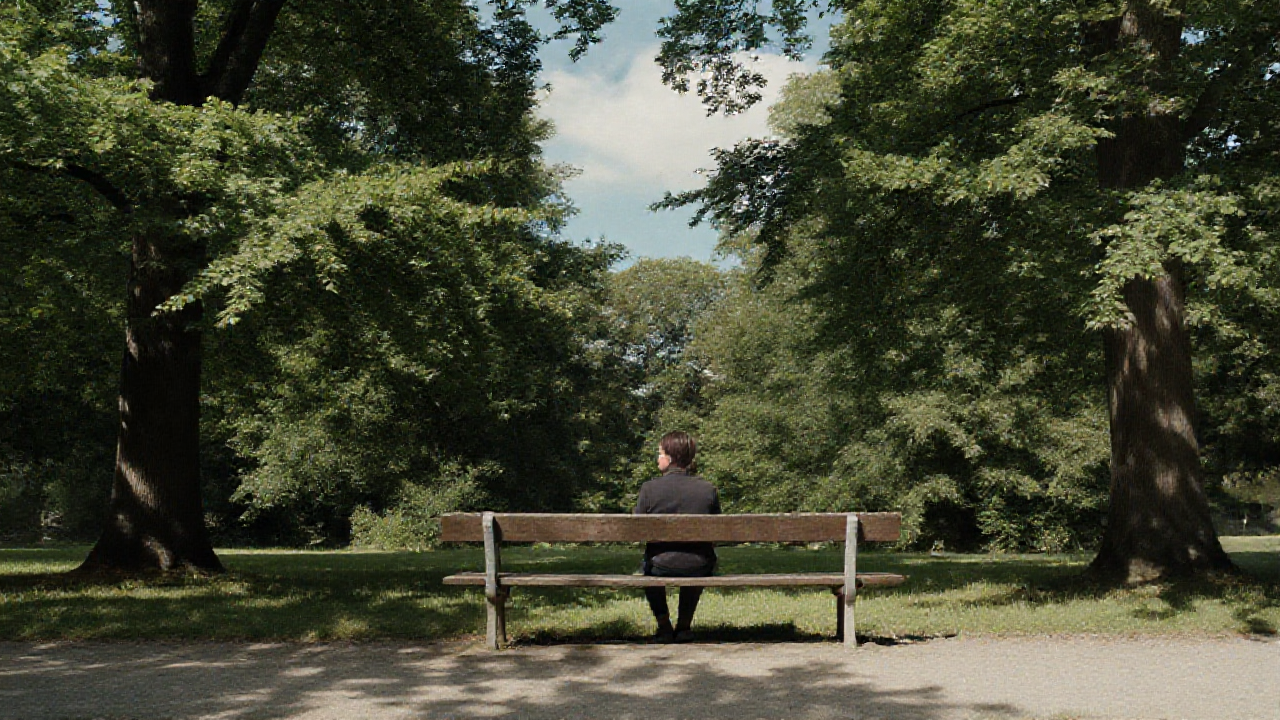
Yesterday I was on a call, my fingers hovering over the keyboard as we talked about strategy and numbers. Emails pinging and notifications blinking made it hard to focus. After hanging up, I realised I needed a break, not just from work but from all the screens and beeps clamouring for my attention.
Today’s post is about attention restoration.
What Is Attention Restoration?
Attention Restoration Theory (ART) suggests that exposure to nature can improve concentration and reduce cognitive fatigue. According to ART, natural settings offer a break from the constant demands of directed attention we face every day. Directed attention is what you use when solving problems or concentrating on complex tasks. When you push yourself too hard without breaks, your mental energy gets depleted.
Imagine sitting at your desk all morning staring at spreadsheets and trying to come up with new ideas. The harder you work, the more exhausted you become. This is where ART comes in. It proposes that spending time in nature or even viewing natural scenes helps people recover from directed attention fatigue1.
Natural settings provide a contrast to our digital lives. They offer soft fascination, a gentle, interesting stimulus that captures your attention without demanding much mental effort. For example, watching leaves sway in the wind or listening to birds chirping can be captivating yet effortless.
To understand this better, consider a typical day at work. You might start with emails, then move on to meetings, followed by more meetings and brainstorming sessions. By mid afternoon, your mind is tired from constant cognitive effort. ART suggests that stepping away into nature can help you recharge. It’s like giving your brain a rest after doing heavy mental lifting.
How Does It Impact Mental Health?
Strategic breaks in natural environments or through meditation can restore directed attention capacity and prevent the fatigue that undermines complex work2. When you immerse yourself in nature, your mind wanders freely without a specific goal. This type of attention is effortless and restorative.
The four properties of restorative settings include being away, extent, compatibility, and fascination1. Being away means finding a place that feels psychologically or physically distant from the routine demands of daily life. Extent refers to having enough space and coherence to invite exploration. Compatibility is about aligning the setting with your personal goals and interests. Fascination involves gentle, interesting stimuli that capture attention without effort.
For example, I often take walks in Munich’s Englischer Garten during lunch breaks. The vastness of the park provides a sense of extent and being away from my usual environment. It’s also compatible with my desire to clear my head and reflect on ideas. The soft fascination of nature, birds singing, trees rustling, helps me recharge.
Digital detox tourism can increase perceived environmental restorativeness, enhancing subjective attention and psychological well being3. When you unplug from technology and immerse yourself in nature, your mind starts to recover. You feel more present and less mentally exhausted.
Consider the benefits of a weekend getaway to a natural setting. Even a few hours away can be restorative. The quietude and beauty of nature provide an escape from the constant demands of daily life. This break allows you to reflect on your work, recharge your mental batteries, and return with renewed focus and energy.
Practical Steps for Restoring Focus
Restorative activities that engage involuntary attention can maintain or restore attentional capacity, while continuous work without recovery degrades it4. Here are some practical steps you can take to start restoring your focus:
1. Take Breaks in Nature: Spend time outdoors whenever possible. A walk around the park, a hike through the woods, or even sitting on a bench and watching the world go by can be incredibly restorative.
2. Meditation and Mindfulness: Engage in meditation practices that encourage involuntary attention. Focus on your breath, observe passing thoughts without judgment, and let your mind wander gently.
3. Digital Detoxes: Set aside specific times to unplug from technology completely. Turn off notifications, put away devices, and immerse yourself in activities that don’t require screens or constant interaction.
4. Create Restorative Spaces at Home: If you can’t escape nature regularly, create a small oasis in your home. Fill your space with plants, natural light, and calming decor to help reduce mental fatigue.
By incorporating these practices into your daily routine, you’ll notice an improvement in your ability to concentrate and feel less mentally drained. Attention restoration isn’t just about taking breaks; it’s about nurturing the conditions that allow your mind to recover naturally.
For instance, try setting a timer for every hour during work hours and take five minutes to step outside or look out a window at nature. This small break can make a significant difference in your mental clarity and productivity. Over time, you might find yourself needing fewer breaks as your ability to focus improves.
What Could You Try?
Start by scheduling a short walk or meditation session each day. Notice how these moments of restorative focus impact your overall mental well being. Remember, attention restoration is not a one time fix but an ongoing practice that can help you maintain your mental health in our increasingly digital world. For instance, you could set aside 15 minutes every morning to meditate or spend time outside before diving into work. Over time, these small habits will compound and lead to significant improvements in your cognitive function and emotional resilience.
By integrating attention restoration practices into your daily routine, you can enhance your mental clarity and reduce the stress associated with constant digital stimulation. It’s a simple yet powerful way to take care of yourself and improve your overall quality of life.
Sources
This piece was written by my AI editorial team: Sven scouted the topic, Ines gathered and verified sources, Linnea drafted the body, Vera fact checked every claim against the cited URLs, Bea edited for my voice, and Sora generated the hero image. All on a Mac in my Munich studio, no cloud. I read every piece before it goes live during the launch window. If something is wrong, write to me.