
Minimalism And Creativity: A Guide For Artists
7 August 2026
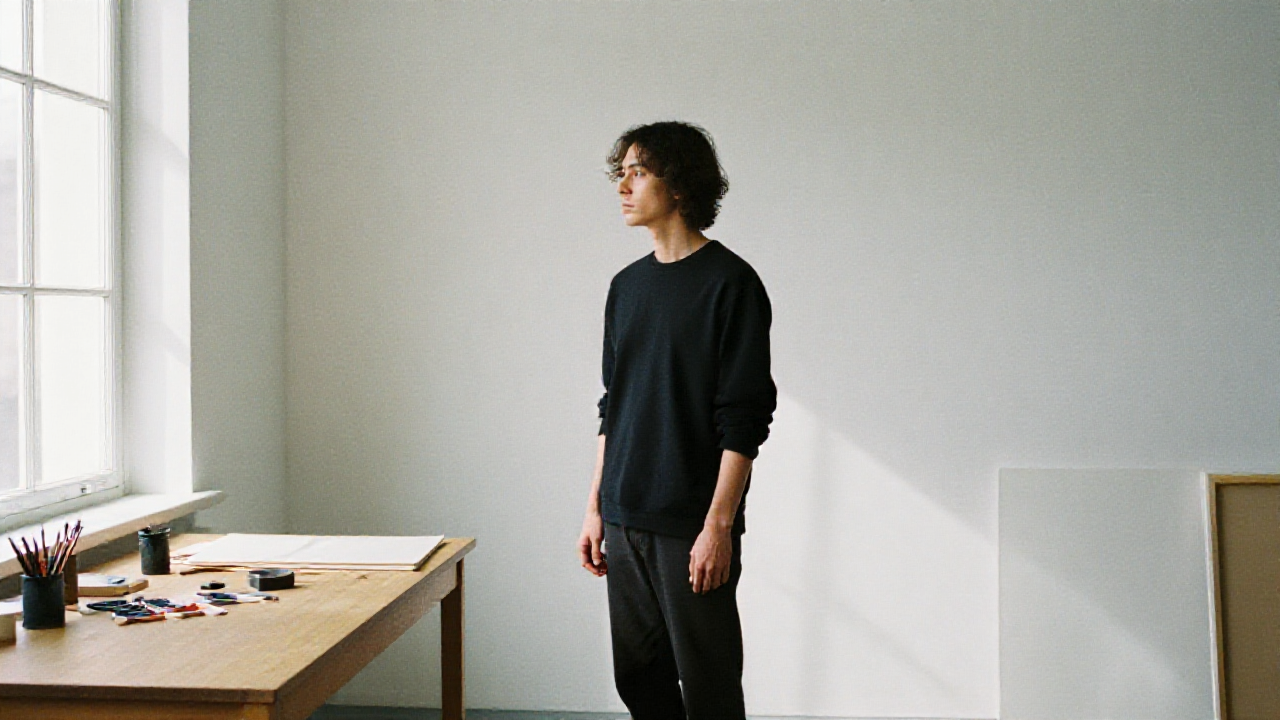
Sitting in my studio today, surrounded by canvases and tubes of paint untouched since last week’s burst of creativity, I feel overwhelmed. The space is cluttered, both physically and mentally, emails to answer, social media to check, ideas to jot down. Minimalism seems like a distant ideal when the world feels so full.
An idea starts to take shape: what if minimalism isn’t about removing things but creating space for clarity? What if it’s not just fewer possessions but also fewer distractions?
Minimalism can feel daunting, less often means deprivation. But as an artist, minimalism is about presence. By decluttering my physical space1, I create a more inspiring environment where each item serves a purpose and holds meaning. Clearing out old art supplies that no longer spark joy or are relevant to my practice, the remaining items feel like friends rather than burdens.
Intentional living is about designing a life that reflects personal priorities2, not just tidying up my desk but also curating my digital presence. Unsubscribing from newsletters, muting accounts that drain energy, and filling my feed with inspiration instead of overwhelm2 leads to a clearer mind and more focused attention. I can now spend time on what truly matters, my art, and less on the noise that distracts me from it.
Intentional living also means making choices based on long term value rather than short term gratification. Instead of buying new art supplies every month, focusing on using and appreciating what I already have2 helps me realise that true satisfaction comes from depth of experience rather than breadth of acquisition. Limiting distractions and focusing on what truly matters keeps me more engaged with my work and less overwhelmed by new information.
Minimalism also extends to daily routines. Setting aside specific times for creative work allows me to prioritise my art without feeling guilty about other tasks2. Blocking out time in the mornings when my mind is fresh and energy levels are high helps me maintain a consistent creative output without feeling overwhelmed by other responsibilities.
Minimalism isn’t just about decluttering; it’s also about creating routines that align with personal values2. Setting aside specific times to work on art and sticking to them helps me stay productive and satisfied. Minimalism encourages a balance between productivity and rest, doing less but better2.
Spending time outdoors clears my mind and reconnects me with nature2. Whether it’s a walk in the park or sitting by a window, being outside feeds my creativity. The colours, textures, and light I see often find their way into my paintings.
Adopting minimalist practices can be challenging initially, they require shifting from habitual routines to intentional actions2. For example, I used to spend hours scrolling through social media before starting my workday. Now, by setting strict limits on screen time and creating a ritual of stepping outside for fresh air, my mind is clearer and more focused when I sit down to paint.
Creating a minimalist environment benefits me and positively impacts others too2. When I share my work with an audience that values intentional living, there’s a sense of community and support. We’re not in competition but part of a collective that celebrates mindful creativity.
Minimalism is about more than just having fewer things, it’s about living with purpose and intention. By applying minimalist principles to my creative process, I focus on what truly matters, my art. Removing clutter from my physical space, digital life, and daily routines creates room for clarity and inspiration. Minimalism allows me to live a balanced and fulfilling life as an artist.
Minimalist practices can be challenging initially but offer long term benefits that outweigh the initial discomfort. It’s about making conscious choices every day, choosing community over competition2 and designing a life that aligns with my values.
If you’re an artist looking to enhance creativity through minimalism, start small. Begin by decluttering one area of your workspace or streamlining digital habits. Notice how these changes impact mood and productivity. Over time, these steps can lead to significant shifts in creative practice and overall well being.
Minimalism isn’t a destination but a journey, one that invites you to live more intentionally and creatively each day. By embracing minimalism, I’ve found greater clarity, focus, and a deeper connection with my art and the world around me.
Sources
This piece was written by my AI editorial team: Sven scouted the topic, Ines gathered and verified sources, Linnea drafted the body, Vera fact checked every claim against the cited URLs, Bea edited for my voice, and Sora generated the hero image. All on a Mac in my Munich studio, no cloud. I read every piece before it goes live during the launch window. If something is wrong, write to me.