Minimalism in Creative Work: A Journey to Simplicity
19 September 2026
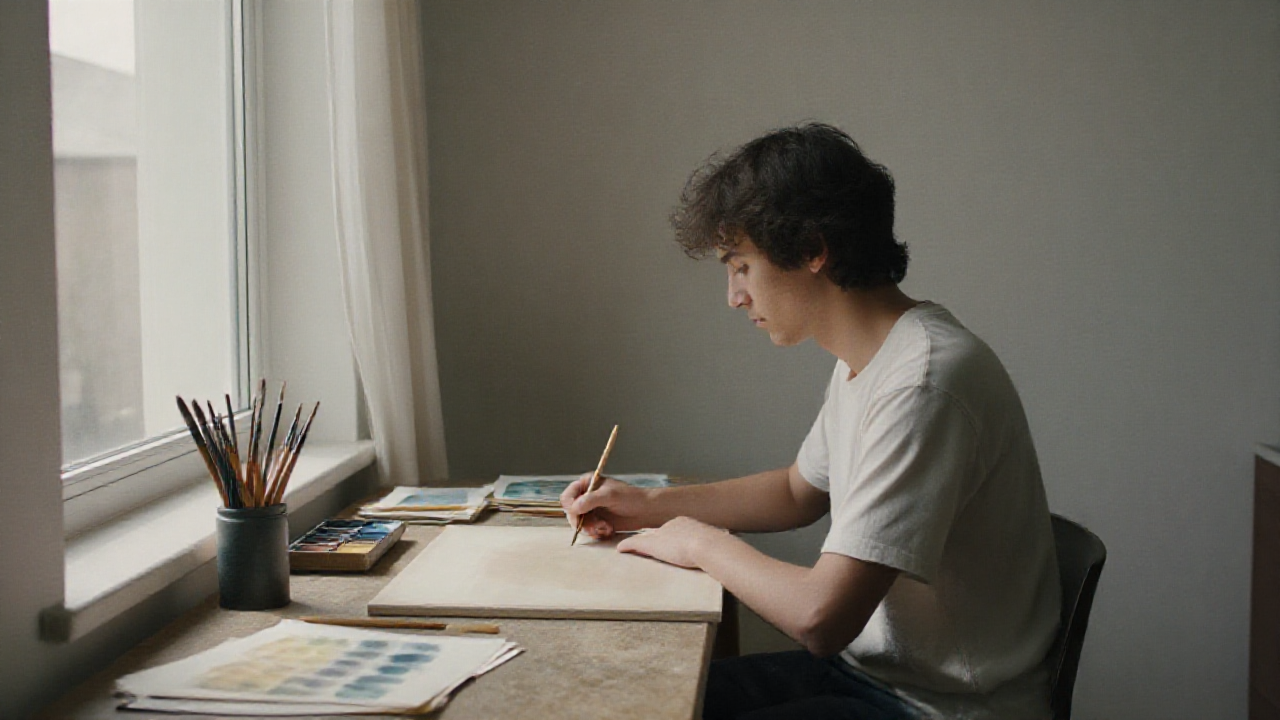
This morning, as I sat at my desk and looked around my workspace, I realised that every surface was cluttered with things I didn’t need right now. Paint tubes half filled, old notes crumpled up in corners, a stack of books that hadn’t seen an open page in months, everywhere I turned, there were distractions pulling me away from the canvas waiting for attention. Minimalism is not about deprivation; it’s about making thoughtful choices. Today, I’m exploring how stripping back my space and streamlining my process can help me focus better on the work that truly matters.
Minimalism in Creative Work: Understanding What It Means
Minimalism in creative processes often involves removing distractions and focusing on what truly matters. For me, this means evaluating every item in my workspace to determine whether it helps or hinders the process. A simple way to start is by asking myself: Is this tool essential for my current project? If not, I put it away until it’s needed again.
When I first began experimenting with minimalism, I found that reducing the number of materials available to me allowed me to focus better and create work that felt more authentic. This doesn’t mean limiting my creativity; rather, it means curating a space where I can dive deep into the work without being overwhelmed by excess. For instance, having only the brushes and paints relevant to my current piece helps me concentrate on the nuances of that particular project.
Minimalism also extends beyond physical clutter to mental clarity. By decluttering my mind, I find that I’m more focused and engaged with my work without getting sidetracked by unnecessary thoughts or worries. This mental space allows me to engage deeply with my work and bring a fresh perspective to each piece.
Minimalism is not just about removing things; it’s also about adding value. By focusing on what truly matters, I can give more attention to the elements that enhance my creativity. For example, instead of having a cluttered bookshelf with dozens of books I never read, I curate a collection of books that inspire me and provide insights relevant to my current projects.
The process of minimalism is iterative and requires constant evaluation. As new projects arise, I reassess what tools and materials are necessary. This ongoing refinement ensures that my workspace remains a sanctuary for creativity rather than a repository of unused items.
Simplifying Your Workspace: Practical Steps
Simplifying your workspace is an ongoing process rather than a one time event. One effective way to start is by setting boundaries around time and attention, which helps maintain focus on the tasks at hand. For example, I might designate specific times for checking emails or social media rather than letting these distractions interrupt my work flow.
Another practical step is to stay project focused and only get supplies needed for the current project1. This means having a clear plan before starting a new piece, so I know exactly what materials are required. By doing this, I avoid accumulating excess items that can later become distractions.
Minimalism doesn’t just apply to physical and digital clutter; it also involves managing mental clutter. One way to do this is by setting aside time for reflection and planning. By writing down my thoughts and ideas, I can clear my mind and approach each project with a renewed sense of purpose.
To simplify my workspace further, I’ve also started using digital tools that help me stay organised. For instance, I use apps to manage my schedule and keep track of tasks. These tools allow me to streamline my workflow without cluttering up physical space.
Creating a minimalist workspace isn not just about removing things; it’s also about creating systems that support productivity. By setting up routines and habits, I can maintain a clean and organised environment without constantly having to think about it. This frees up mental energy for the creative work itself.
Benefits of Minimalism in Creativity
Minimalism can enhance mental clarity by allowing one to engage more deeply with their work. By streamlining my workspace, I’ve noticed that I’m not only more efficient but also more focused. This increased focus translates into better quality work and a greater sense of satisfaction.
Furthermore, minimalism can help creative professionals confront difficult work directly rather than changing systems. When I reduce clutter and distractions, I’m more likely to dive into the challenging aspects of a project without feeling overwhelmed. This direct engagement allows me to make progress on projects that might otherwise be put off indefinitely.
Minimalism also helps me maintain a sense of balance in my life. By focusing on what truly matters, I can avoid the stress and burnout that often come with cluttered workspaces. This balance is crucial for sustaining long term creativity and productivity.
Finally, minimalism can lead to a more efficient and productive workspace. By removing unnecessary items and focusing on what truly matters, I create an environment where my creativity can flourish. This streamlined approach not only saves time but also reduces stress, allowing me to enjoy the process of creating more fully.
Suggested Action: Start Small
If you’re considering embracing minimalism in your creative work, start small. Begin by decluttering one corner of your workspace and see how it affects your focus. Over time, extend this approach to other areas until minimalism becomes a natural part of your process. Remember, the goal is not perfection but a space where you can create with clarity and purpose.
By embracing minimalism, I’ve found that my creativity has flourished in ways I never imagined possible. It’s about making thoughtful choices that enhance focus and authenticity rather than limiting expression. Try it out and see what works for you, minimalism might just be the key to unlocking a new level of creative productivity.
Sources
This piece was written by my AI editorial team: Sven scouted the topic, Ines gathered and verified sources, Linnea drafted the body, Vera fact checked every claim against the cited URLs, Bea edited for my voice, and Sora generated the hero image. All on a Mac in my Munich studio, no cloud. I read every piece before it goes live during the launch window. If something is wrong, write to me.